
Industries We Serve
From everyday essentials to specialized industrial goods, CM Logistics powers the supply chain across sectors. Our industry-specific logistics solutions are built for efficiency, reliability, and scale.
Industry Overview
The e-commerce and retail sector in India has witnessed exponential growth, driven by rapid digital adoption, smartphone penetration, and a shift in consumer behavior toward online and omnichannel shopping. With same-day and next-day delivery becoming the norm, logistics has emerged as a mission-critical function for e-commerce and retail businesses. In addition to fast order fulfillment, modern retailers demand flexible warehousing, seamless reverse logistics, and data-backed decision-making to manage high volumes, seasonality, and customer expectations.

Challenges
Key challenges faced by the E-commerce & Retail industry
How Cargo Matters Supports the E-commerce & Retail Industry
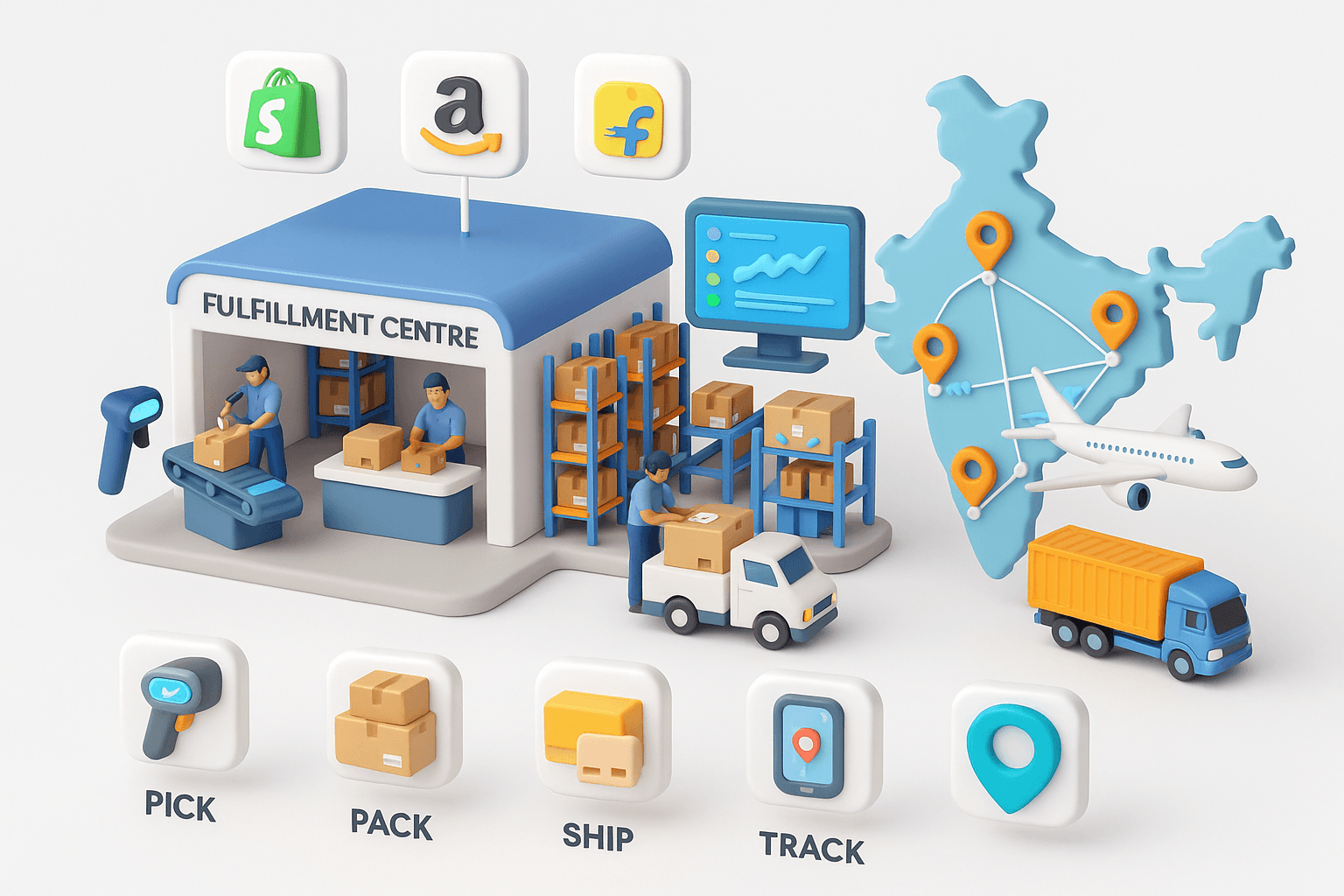
Fulfillment Centres
We operate scalable fulfillment centres strategically located near major consumption hubs. These facilities are equipped for pick, pack, and ship operations, order customization, integration with e-commerce platforms like Shopify, Amazon, Flipkart, WooCommerce, and real-time inventory management with barcode and RFID systems.
Benefits of Partnering with Cargo Matters
Faster delivery with lower shipping costs
Scalable infrastructure to match seasonal volumes
Improved customer satisfaction through reliable delivery
Reduced return processing time
Accurate inventory and demand forecasting
Ready to Transform Your E-commerce & Retail Logistics?
Let’s discuss how we can support your business.
Industry Overview
The aviation industry is a high-stakes, precision-driven sector where downtime can cost crores and efficiency is non-negotiable. From commercial airlines to aerospace manufacturers and ground support services, the aviation ecosystem requires a logistics partner that can handle mission-critical parts, regulatory compliance, and rapid-response deliveries with zero tolerance for error. In India, with a fast-growing domestic aviation market and increasing focus on air cargo, the demand for robust aviation logistics support is only accelerating. Whether it's Aircraft on Ground (AOG) emergencies or routine maintenance schedules, timely and secure movement of aviation parts, equipment, and consumables is crucial.

Challenges
Key challenges faced by the Aviation industry
How Cargo Matters Supports the Aviation Industry
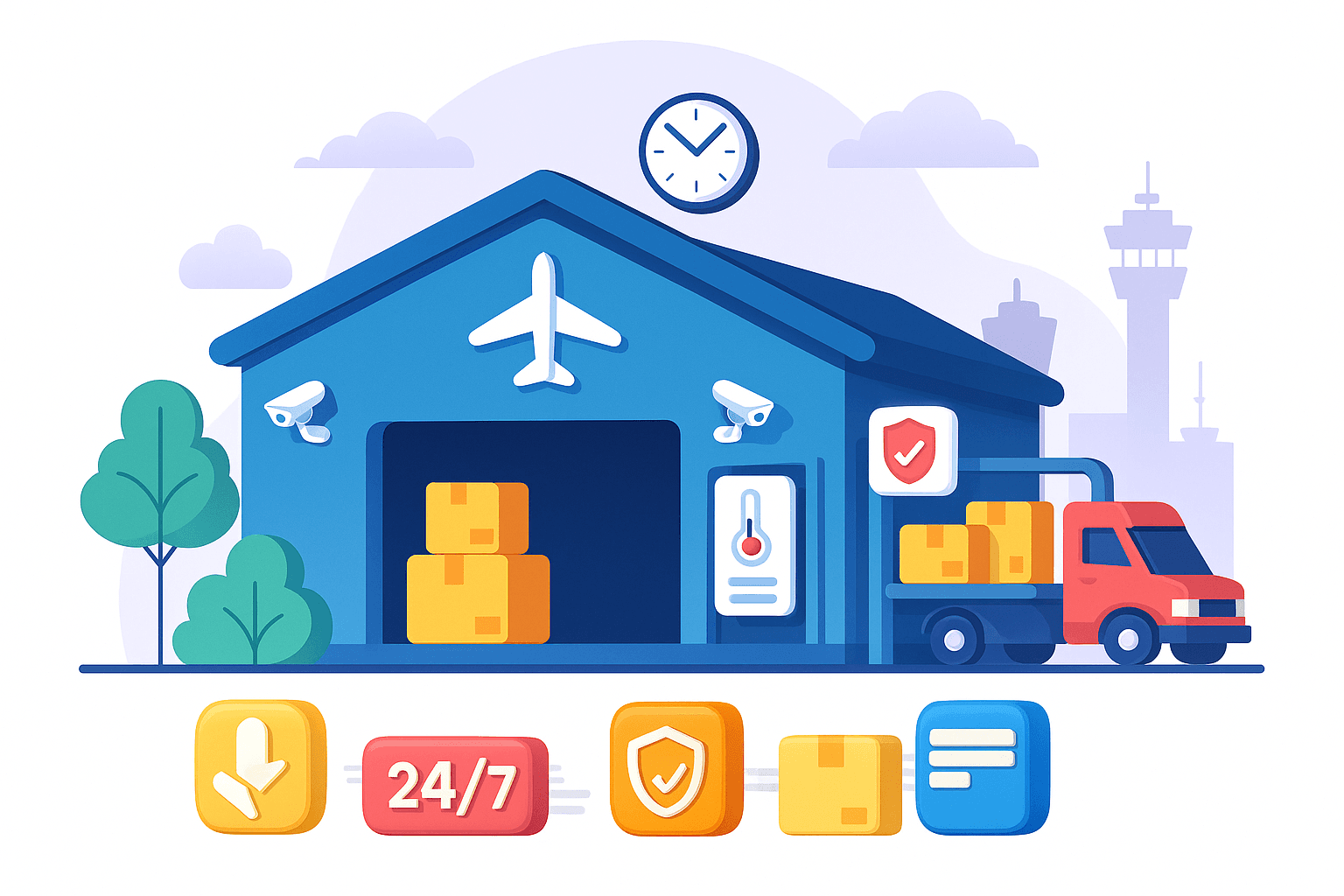
Specialized Warehousing & Distribution
Aviation-grade warehousing infrastructure with 24/7 secure storage for high-value spare parts, environmental and safety controls for sensitive equipment, bonded warehousing options near airports for import/export compliance, and FIFO/LIFO inventory management for rotating stock.
Benefits of Partnering with Cargo Matters
Zero-delay commitment for AOG shipments
Secure and compliant infrastructure near major airports
24/7 support and emergency dispatch readiness
Proven experience in mission-critical part logistics
Ready to Transform Your Aviation Logistics?
Let’s discuss how we can support your business.
Industry Overview
The Furniture & Home Decor industry in India is evolving rapidly, blending traditional retail with modern e-commerce and D2C distribution models. With rising urbanization, interior design trends, and the boom of online marketplaces, consumers now expect quick delivery of large, often customized, and delicate products — straight to their doorsteps. This sector presents unique logistics challenges: furniture is often bulky, non-standard in shape, prone to damage, and may require assembly or white-glove handling. Add to that regional demand fluctuations, returns, and the increasing popularity of modular and made-to-order furniture, and you have a highly complex supply chain ecosystem. Whether you're a high-end retailer, a D2C furniture brand, or a home decor importer, you need a logistics partner who can ensure safe, timely, and cost-effective delivery, all while maintaining your brand experience.

Challenges
Key challenges faced by the Furniture & Home Decor industry
How Cargo Matters Supports the Furniture & Home Decor Industry
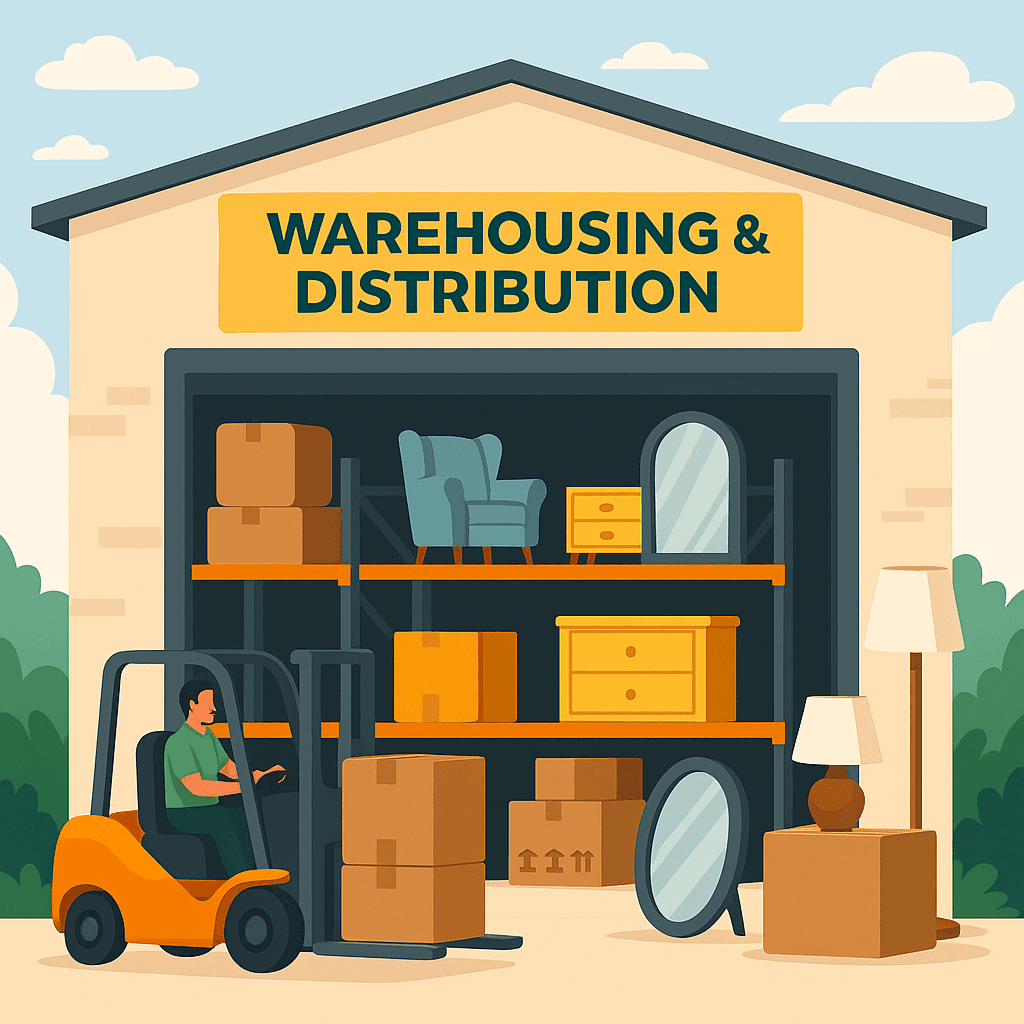
Warehousing & Distribution
Strategically located warehouses equipped for handling non-standard SKUs, with large-format racking for furniture and oversize decor, secure storage with anti-scratch and anti-dust protocols, climate control for sensitive materials like wood or leather, and inventory segregation for fragile or fast-moving goods.
Benefits of Partnering with Cargo Matters
Proven experience handling oversized, fragile cargo
Nationwide delivery network with real-time tracking
Specialized fleet and packaging support
Scalable fulfillment for e-commerce or omnichannel brands
Ready to Transform Your Furniture & Home Decor Logistics?
Let’s discuss how we can support your business.
Industry Overview
The Oil, Gas, and Energy sector forms the backbone of India's industrial and economic infrastructure. From upstream exploration to downstream refining and distribution, this industry demands extreme precision, speed, and compliance. Whether it's transporting high-value drilling equipment, hazardous chemicals, or large-scale machinery for renewable energy projects, the logistics involved are complex, high-risk, and time-sensitive. In addition to fossil fuels, the rise of renewable energy sources like solar and wind has introduced new logistics challenges, requiring transport and warehousing of fragile, oversized components such as solar panels, inverters, turbines, and batteries. The stakes are high—any delay in material movement can halt production or infrastructure development, costing companies significantly in lost revenue.

Challenges
Key challenges faced by the Oil & Gas / Energy industry
How Cargo Matters Supports the Oil & Gas / Energy Industry
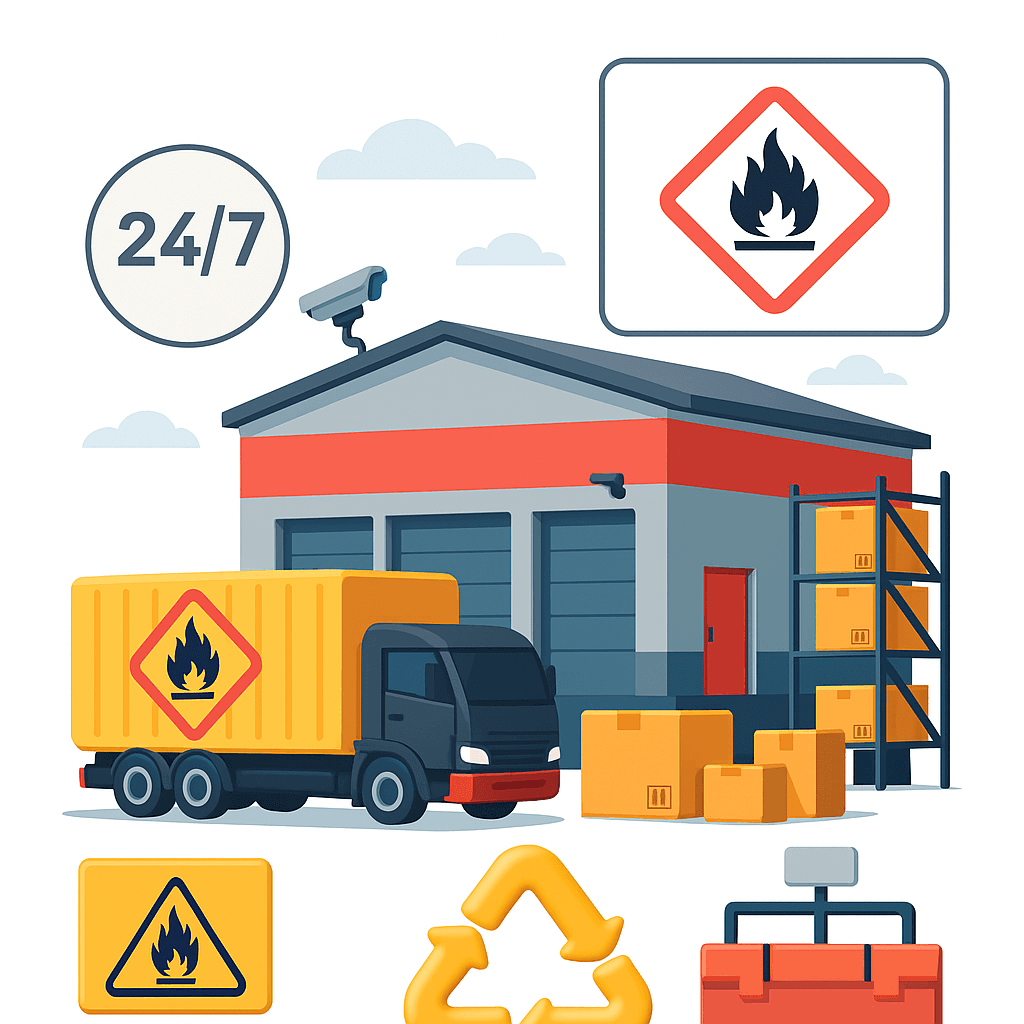
Hazard-Compliant Warehousing & Distribution
Warehousing solutions designed with safety and compliance in mind, including DG (Dangerous Goods) compliant zones for flammable and hazardous items, fire suppression, spill containment, and ventilation systems, 24/7 security with restricted access zones and safety audits, and real-time inventory tracking for critical spares and consumables.
Benefits of Partnering with Cargo Matters
Proven experience handling complex and sensitive cargo
Safety-first approach backed by Indian regulatory compliance
Logistics support for both fossil and renewable energy infrastructure
Reliable, timely delivery to remote and high-risk sites
Ready to Transform Your Oil & Gas / Energy Logistics?
Let’s discuss how we can support your business.
Industry Overview
The manufacturing industry is the engine of economic growth in India, spanning sectors such as engineering, textiles, electronics, chemicals, steel, consumer goods, and more. With the government's Make in India initiative boosting both domestic production and exports, manufacturers now face growing pressure to modernize their logistics operations to stay competitive in a global supply chain. Manufacturers require reliable, efficient, and scalable logistics solutions that integrate seamlessly with their production cycles. From raw material inbound logistics to finished goods outbound distribution, every link in the supply chain must operate in sync with manufacturing timelines, quality standards, and cost constraints. Moreover, as just-in-time (JIT) and lean manufacturing models grow in adoption, the margin for error in logistics is close to zero.

Challenges
Key challenges faced by the Manufacturing industry
How Cargo Matters Supports the Manufacturing Industry
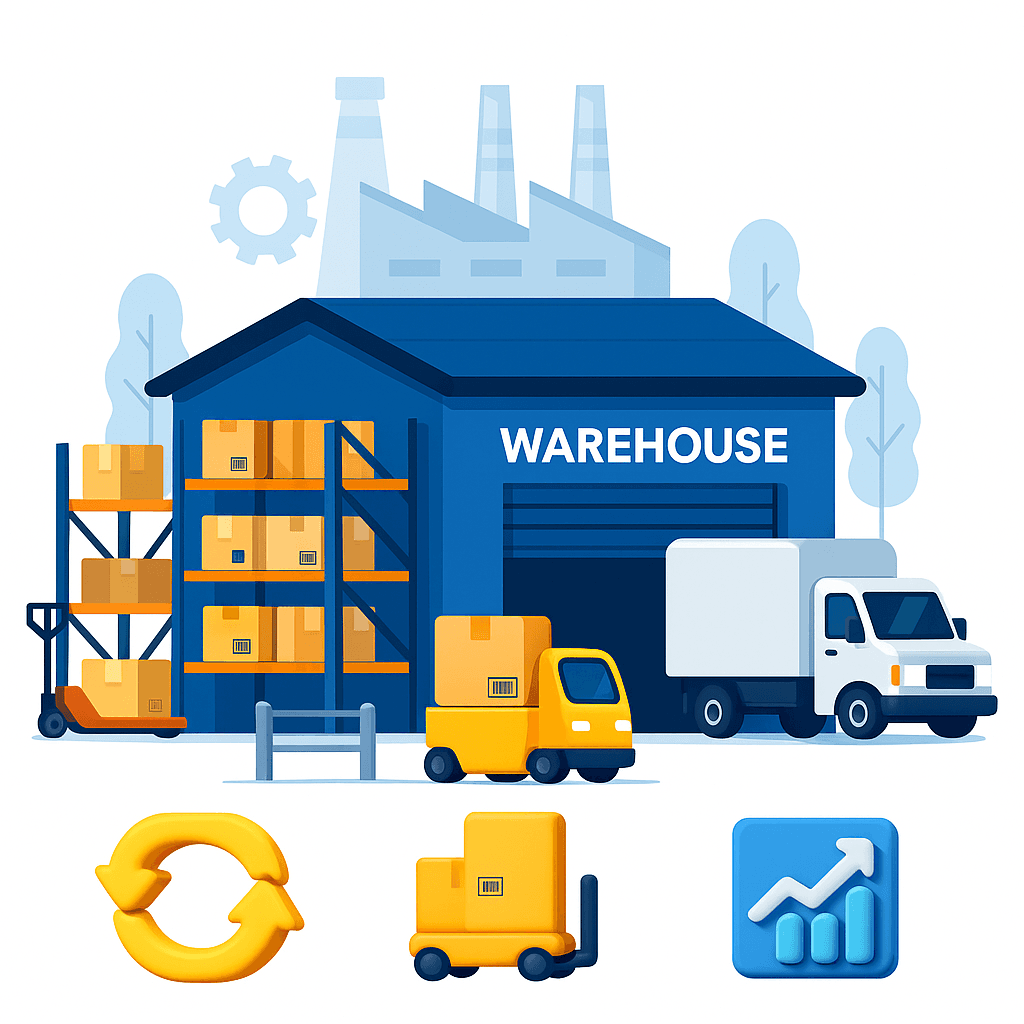
Industrial-Grade Warehousing & Distribution
Warehousing solutions tailored for manufacturers, including storage for raw materials, WIP, and finished goods, FIFO/LIFO inventory management based on production cycles, bulk storage and custom racking for heavy goods, just-in-time inventory dispatching aligned with production demands, and secure zones for high-value components or sensitive goods.
Benefits of Partnering with Cargo Matters
Deep industry expertise in managing complex supply chains
Infrastructure designed for both mass production and agile manufacturing
Strong network for domestic and export logistics
Technology-led visibility and reporting to support operational decision-making
Ready to Transform Your Manufacturing Logistics?
Let’s discuss how we can support your business.
Industry Overview
The automotive industry is a cornerstone of India's manufacturing ecosystem, encompassing vehicle manufacturers (OEMs), component suppliers, aftermarket parts distributors, and dealers. As the sector embraces rapid technological advancements, including electric vehicles (EVs), connected cars, and smart manufacturing, the demand for an agile and highly coordinated logistics network has never been higher. The automotive supply chain is complex, involving thousands of SKUs, just-in-time (JIT) deliveries, vendor-managed inventory, and multi-tier suppliers spread across India and globally. With increasing customer expectations for faster delivery and better after-sales support, logistics plays a critical role in minimizing downtime and enhancing operational efficiency.

Challenges
Key challenges faced by the Automotive industry
How Cargo Matters Supports the Automotive Industry
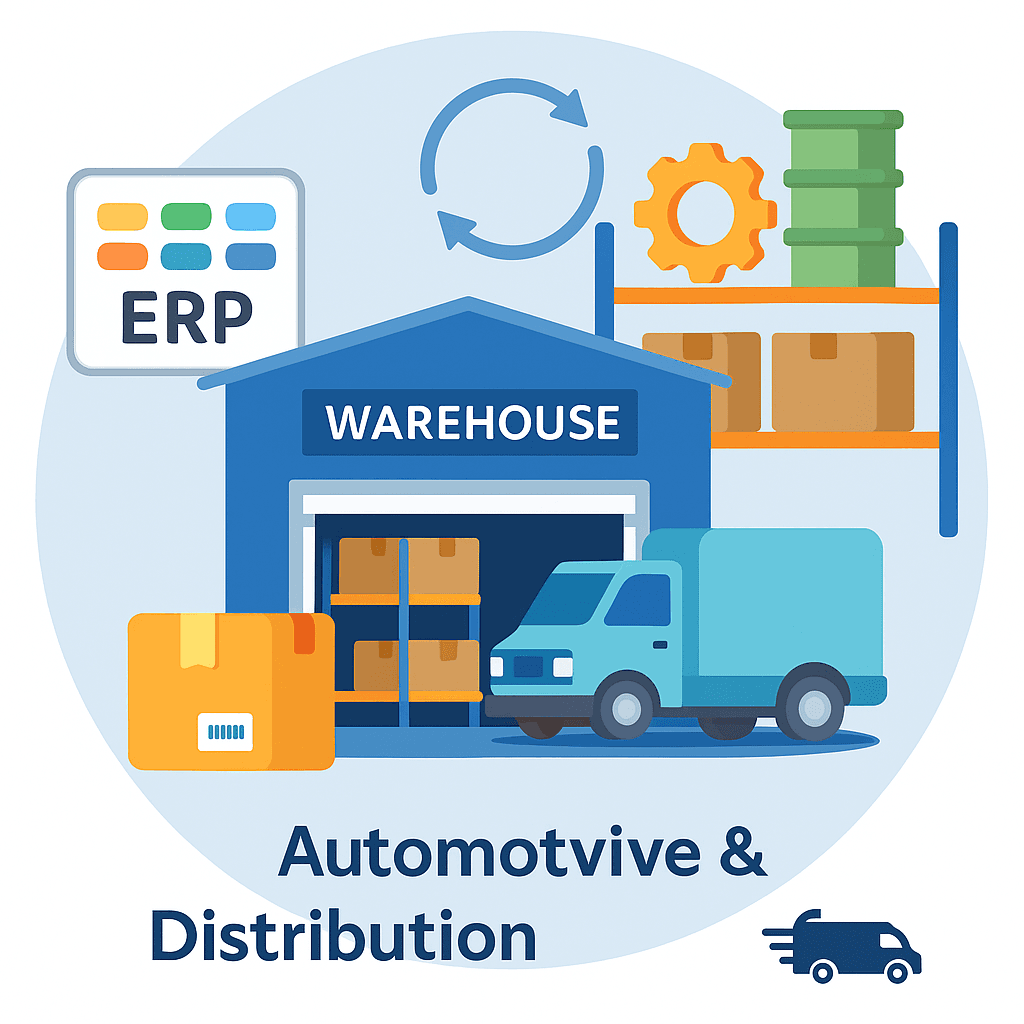
Warehousing & Distribution
Warehousing services tailored to automotive requirements, including secure storage for high-value, sensitive, and hazardous parts, multi-client and dedicated warehouses near automotive clusters, inventory segregation and batch-level traceability, and integration with manufacturers' ERP and supply chain management systems.
Benefits of Partnering with Cargo Matters
Deep understanding of automotive supply chain intricacies
Robust network supporting manufacturing hubs and dealer locations across India
Commitment to JIT and JIS delivery accuracy
Technology-driven transparency for seamless operations
Ready to Transform Your Automotive Logistics?
Let’s discuss how we can support your business.
Industry Overview
The pharmaceutical industry is one of the most regulated and critical sectors in India, responsible for producing life-saving drugs, vaccines, and medical devices. Efficient logistics and supply chain management are essential to ensure that medicines reach patients safely, securely, and within their shelf life. The COVID-19 pandemic underscored the importance of agile and reliable pharmaceutical logistics, especially for temperature-sensitive vaccines and essential medicines. Pharmaceutical supply chains demand strict adherence to Good Distribution Practices (GDP), temperature control, and traceability, along with timely deliveries to hospitals, pharmacies, and clinics across urban and rural India. The sector is expanding rapidly, fueled by rising healthcare needs, increasing exports, and a growing generic drug market.

Challenges
Key challenges faced by the Pharmaceuticals industry
How Cargo Matters Supports the Pharmaceuticals Industry
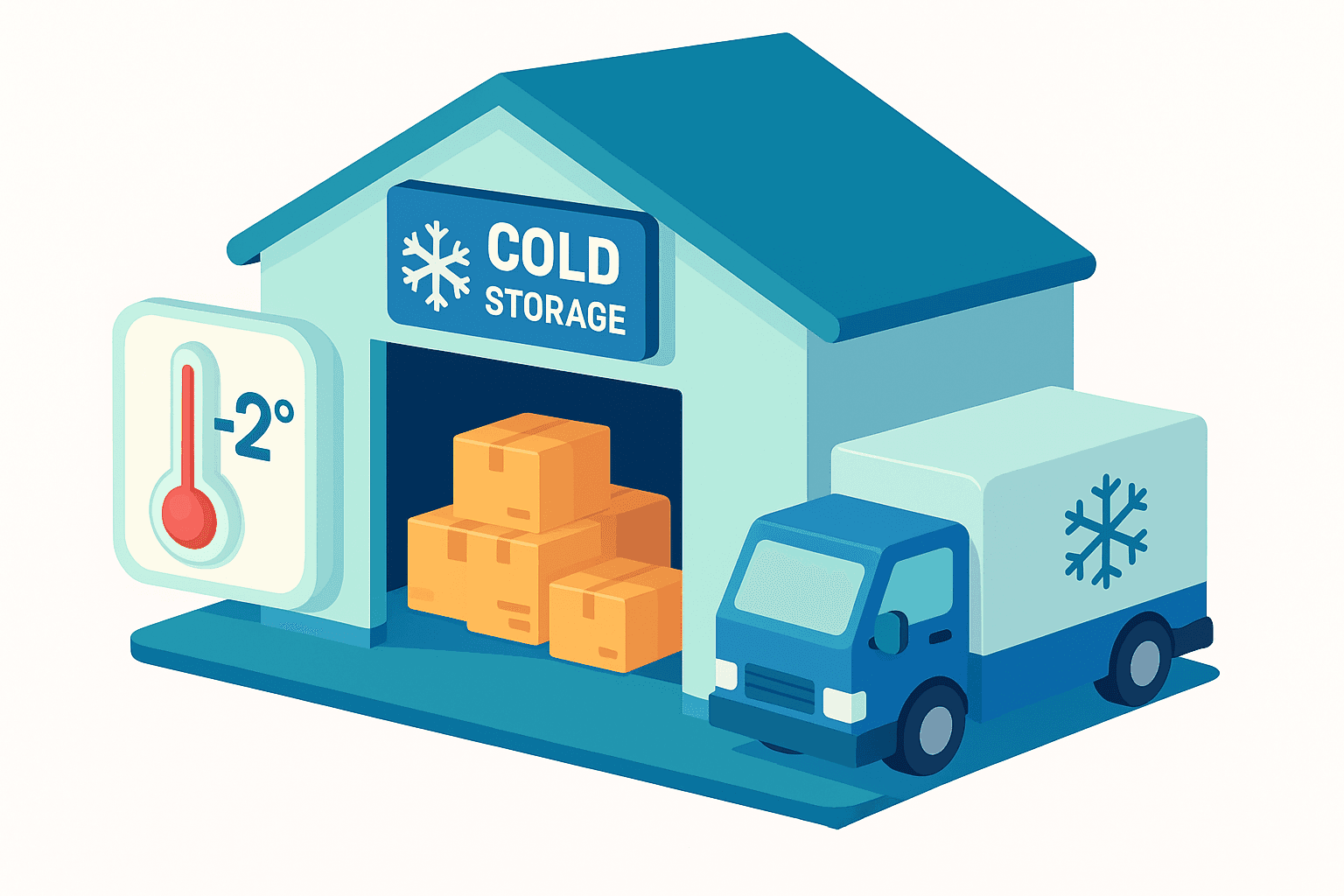
Temperature-Controlled Warehousing & Distribution
Specialized warehousing with cold storage facilities maintaining 2°C to 8°C and -20°C conditions for vaccines and biologics, real-time temperature monitoring and alerts, secure storage zones for controlled and high-value drugs, and segregation of different pharmaceutical product types to avoid contamination.
Benefits of Partnering with Cargo Matters
Robust cold chain infrastructure and expertise
Compliance with all relevant Indian and international pharma regulations
Secure handling of sensitive and high-value pharmaceutical products
End-to-end visibility and data-driven decision making
Ready to Transform Your Pharmaceuticals Logistics?
Let’s discuss how we can support your business.
Industry Overview
The cold chain industry is vital for preserving the quality, safety, and efficacy of perishable goods across food and healthcare sectors. In India, where temperature-sensitive products such as fresh produce, dairy, seafood, pharmaceuticals, and vaccines require controlled environments throughout storage and transport, the demand for reliable cold chain logistics is surging. The cold chain is more than just refrigeration—it's a highly coordinated system that ensures products maintain precise temperature ranges from origin to end consumer, protecting them from spoilage, contamination, or loss of potency. This industry is also critical for public health, especially with growing vaccine distribution and the expansion of the food processing sector.

Challenges
Key challenges faced by the Cold Chain (Food & Healthcare) industry
How Cargo Matters Supports the Cold Chain (Food & Healthcare) Industry
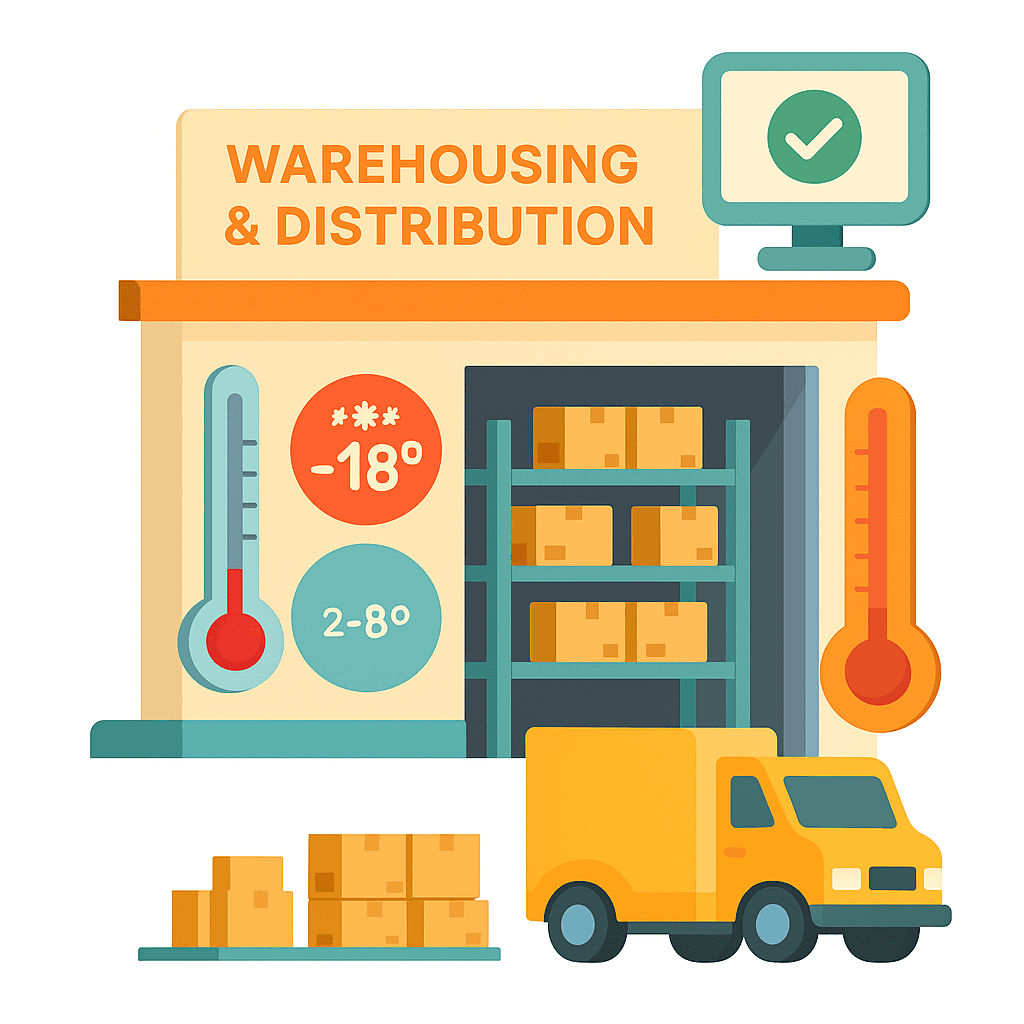
Temperature-Controlled Warehousing & Distribution
Cold storage facilities designed for multi-temperature needs, with specialized zones for frozen (-18°C and below), chilled (2°C to 8°C), and ambient storage, continuous temperature monitoring with alerts and backup power systems, hygienic and sanitized environments compliant with FSSAI and pharmaceutical standards, and segregated storage to avoid cross-contamination and preserve product integrity.
Benefits of Partnering with Cargo Matters
State-of-the-art cold storage infrastructure and refrigerated fleet
Real-time temperature monitoring ensuring product safety
Extensive experience in food and healthcare cold chain sectors
Commitment to regulatory compliance and quality assurance
Ready to Transform Your Cold Chain (Food & Healthcare) Logistics?
Let’s discuss how we can support your business.
Industry Overview
The Apparel & Lifestyle industry in India is a vibrant and fast-growing sector fueled by fashion trends, e-commerce growth, and increasing consumer demand for quick and reliable delivery. This industry encompasses everything from mass-market clothing brands to luxury fashion houses, accessories, footwear, and lifestyle products. With seasonal collections, frequent style changes, and high customer expectations, logistics providers must manage a highly dynamic supply chain. The need for efficient inventory management, rapid fulfillment, and damage-free delivery is critical to maintaining brand reputation and customer satisfaction. The rise of omnichannel retailing has also transformed the apparel logistics landscape. Brands now require integrated solutions that support online orders, in-store replenishment, and returns management — all with speed and accuracy.

Challenges
Key challenges faced by the Apparel & Lifestyle industry
How Cargo Matters Supports the Apparel & Lifestyle Industry

Warehousing & Distribution
Warehousing solutions for apparel and lifestyle brands, including climate-controlled storage to protect delicate fabrics and leather goods, organized racking systems for easy access and inventory accuracy, secure storage for high-value fashion and accessories, and pick-and-pack facilities optimized for fast-moving fashion SKUs.
Benefits of Partnering with Cargo Matters
Expertise in handling high-volume, fast-moving consumer goods
Robust network ensuring timely and damage-free deliveries
Integrated omnichannel supply chain solutions
Data-driven operations for enhanced visibility and control
Ready to Transform Your Apparel & Lifestyle Logistics?
Let’s discuss how we can support your business.
Industry Overview
The Chemicals industry in India is a diverse and critical sector supplying raw materials and finished products to multiple industries such as pharmaceuticals, agriculture, manufacturing, and automotive. Chemical logistics is uniquely challenging due to the variety of materials involved, including hazardous, flammable, corrosive, and toxic substances that require strict adherence to safety and regulatory standards. Efficient chemical logistics is essential to ensure timely delivery while safeguarding people, property, and the environment. The sector demands specialized handling, storage, and transportation solutions designed to minimize risks and ensure compliance with Indian regulations such as the Hazardous and Other Wastes (Management and Transboundary Movement) Rules, Manufacture, Storage and Import of Hazardous Chemicals Rules, and other central/state safety guidelines.

Challenges
Key challenges faced by the Chemicals industry
How Cargo Matters Supports the Chemicals Industry
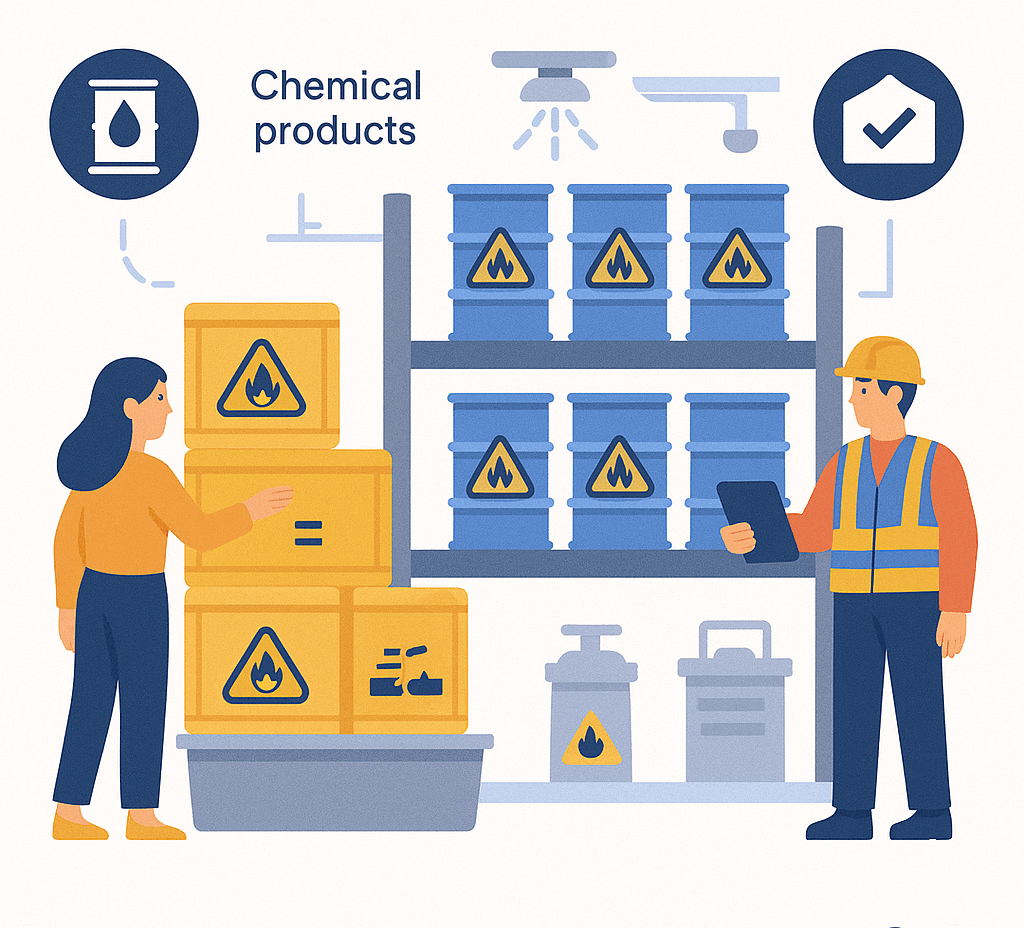
Hazard-Compliant Warehousing & Distribution
Warehouses equipped to handle a range of chemical products, including dedicated zones for hazardous, flammable, and corrosive chemicals, spill containment systems, fire suppression and ventilation, compliance with safety standards and regular audits, and secure storage with controlled access and monitoring.
Benefits of Partnering with Cargo Matters
Expertise in handling hazardous and non-hazardous chemicals safely
Infrastructure built to meet stringent safety and environmental standards
Comprehensive compliance with Indian laws and international best practices
Technology-driven transparency and risk management
Ready to Transform Your Chemicals Logistics?
Let’s discuss how we can support your business.
Industry Overview
The construction industry in India is one of the fastest-growing sectors, driven by rapid urbanization, infrastructure development, government initiatives like Smart Cities, and the expansion of commercial and residential projects. This industry demands a highly efficient and reliable logistics network to handle bulky materials, heavy machinery, and time-sensitive deliveries to construction sites, often located in challenging or remote areas. Logistics for construction involves the movement of raw materials like cement, steel, aggregates, bricks, and pre-fabricated components, along with machinery and equipment necessary for on-site operations. The supply chain must be agile to adapt to project timelines, weather conditions, and site constraints, ensuring minimal downtime and cost overruns.

Challenges
Key challenges faced by the Construction industry
How Cargo Matters Supports the Construction Industry
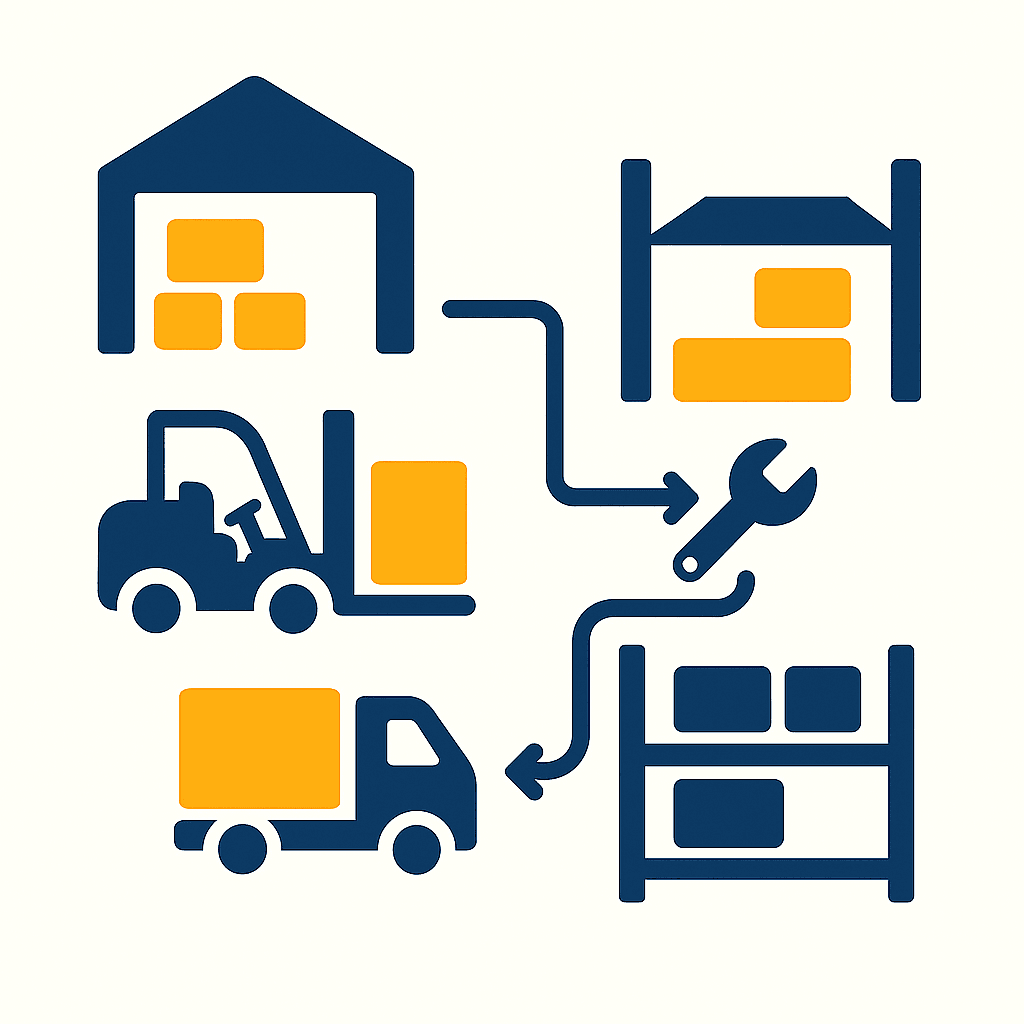
Warehousing & Material Handling
Tailored warehousing solutions for construction projects, including storage facilities for bulk materials, prefabricated components, and equipment, secure yards and covered warehouses to protect materials from weather damage, inventory management aligned with project schedules, and specialized equipment for loading, unloading, and material handling.
Benefits of Partnering with Cargo Matters
Expertise in managing heavy, oversized, and project cargo with safety and precision
Strong coordination capabilities to support complex construction timelines
Robust infrastructure and technology for seamless supply chain integration
Commitment to timely delivery, reducing project delays and costs
Ready to Transform Your Construction Logistics?
Let’s discuss how we can support your business.
Industry Overview
The electronics industry in India is a rapidly expanding sector, encompassing consumer electronics, industrial equipment, semiconductors, and components. With the proliferation of smart devices, IoT (Internet of Things), and increasing automation, efficient and secure logistics have become crucial to meet fast-paced production cycles and customer demands. Electronics products are often high-value, fragile, and time-sensitive. This industry demands logistics solutions that guarantee safe handling, minimal transit times, and strict inventory control to reduce losses from damage, theft, or obsolescence. Additionally, the electronics supply chain requires close coordination with manufacturers, suppliers, and retailers to maintain just-in-time (JIT) delivery schedules.

Challenges
Key challenges faced by the Electronics industry
How Cargo Matters Supports the Electronics Industry

Secure Warehousing & Distribution
Warehousing solutions for electronics include climate-controlled storage to prevent damage from temperature and humidity fluctuations, secure monitored facilities with advanced surveillance and access controls, customized racking and handling to protect fragile components and finished goods, and inventory management systems integrated with client ERP for real-time updates.
Benefits of Partnering with Cargo Matters
Expertise in handling fragile, high-value electronic products with utmost care
Secure and climate-controlled infrastructure
Technology-driven visibility ensuring transparency and control
End-to-end solutions tailored to dynamic electronics supply chains
Ready to Transform Your Electronics Logistics?
Let’s discuss how we can support your business.
Industry Overview
The agriculture sector forms the backbone of India's economy, supporting millions of farmers and contributing significantly to GDP. Efficient logistics and supply chain management are critical in this sector to ensure timely delivery of inputs like seeds, fertilizers, and pesticides, as well as to transport harvested crops from farms to markets, processors, and exporters. Agricultural products often have a limited shelf life and are sensitive to handling and storage conditions. The sector is witnessing a transformation with the adoption of technology, cold chain solutions, and integrated supply chains to reduce post-harvest losses and improve farmer incomes. The growth of agri-tech startups and direct-to-consumer (D2C) models has further heightened the need for agile logistics solutions.

Challenges
Key challenges faced by the Agriculture industry
How Cargo Matters Supports the Agriculture Industry
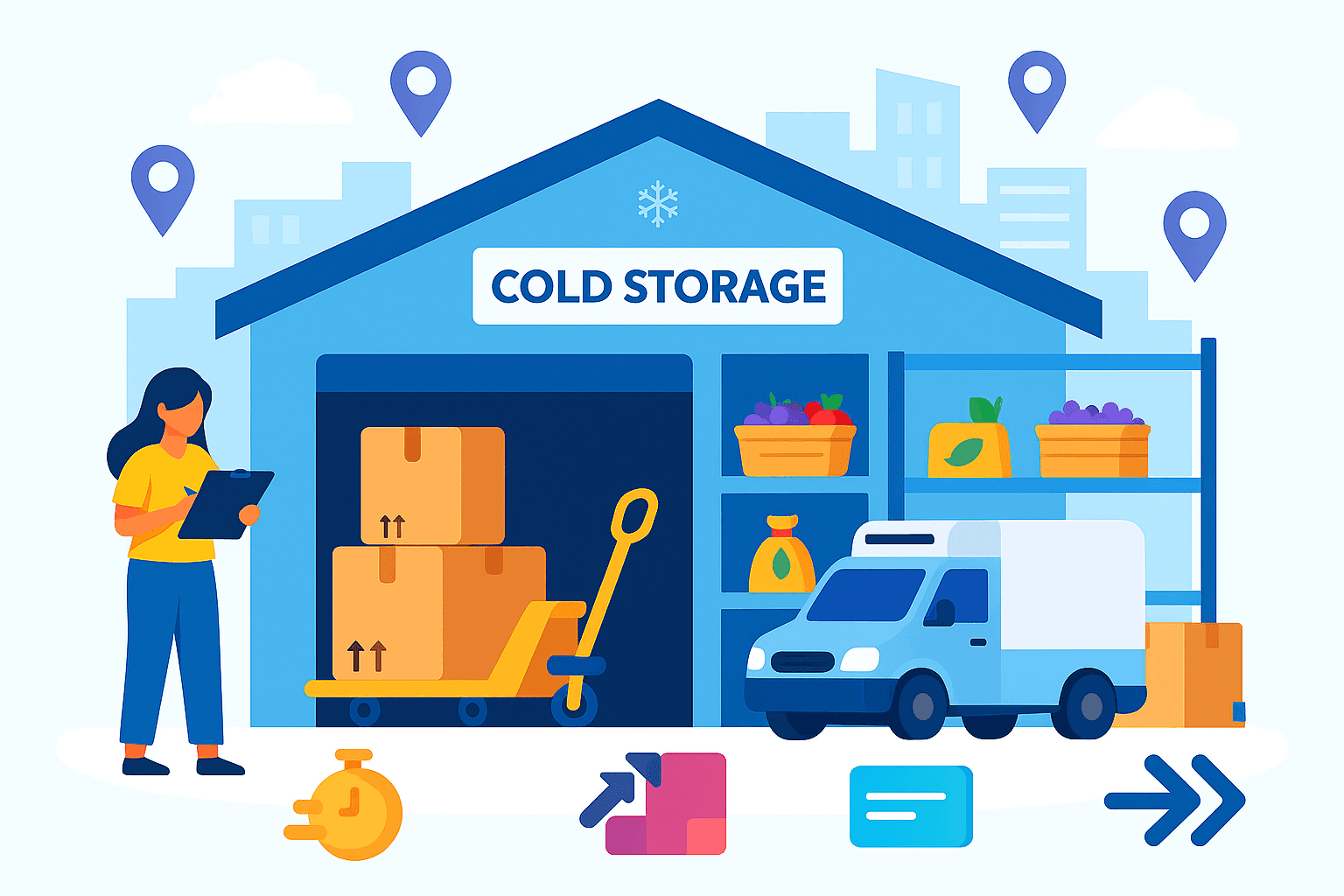
Warehousing & Cold Storage Solutions
Specialized warehousing for agricultural products, including cold storage facilities for fruits, vegetables, dairy, and other perishables, secure storage for seeds, fertilizers, and agrochemicals, proximity to key agricultural hubs and markets for faster distribution, and inventory management systems to monitor stock levels and reduce spoilage.
Benefits of Partnering with Cargo Matters
Deep understanding of the unique needs of agricultural supply chains
Strong cold chain and bulk transportation capabilities
Technology-driven solutions for transparency and efficiency
Commitment to reducing wastage and enhancing farmer incomes
Ready to Transform Your Agriculture Logistics?
Let’s discuss how we can support your business.
Industry Overview
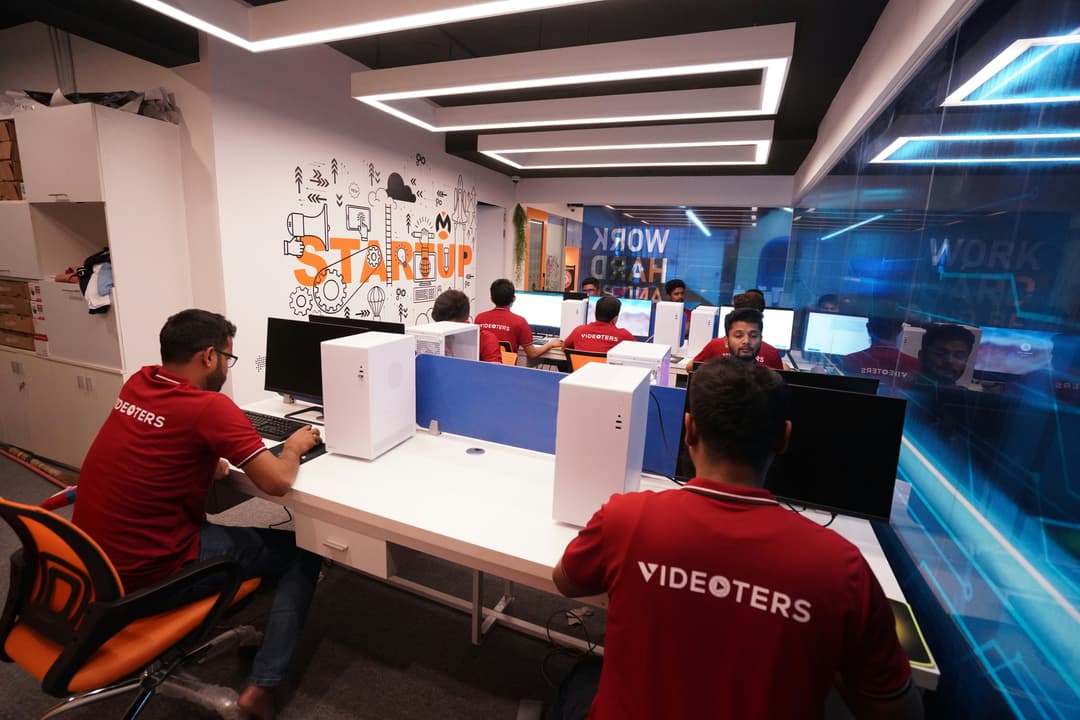
Startups across India, especially in sectors like technology, e-commerce, consumer goods, and healthcare, are reshaping the economy with innovation and agility. These young companies require highly flexible, scalable, and cost-effective logistics solutions to keep pace with rapid growth and evolving customer expectations. Unlike established enterprises, startups often face budget constraints, fluctuating order volumes, and the need for quick market entry and expansion. The ability to efficiently manage inventory, ensure timely deliveries, and provide excellent customer experience is crucial for their success and brand reputation.
Challenges
Key challenges faced by the Startups industry
How Cargo Matters Supports the Startups Industry
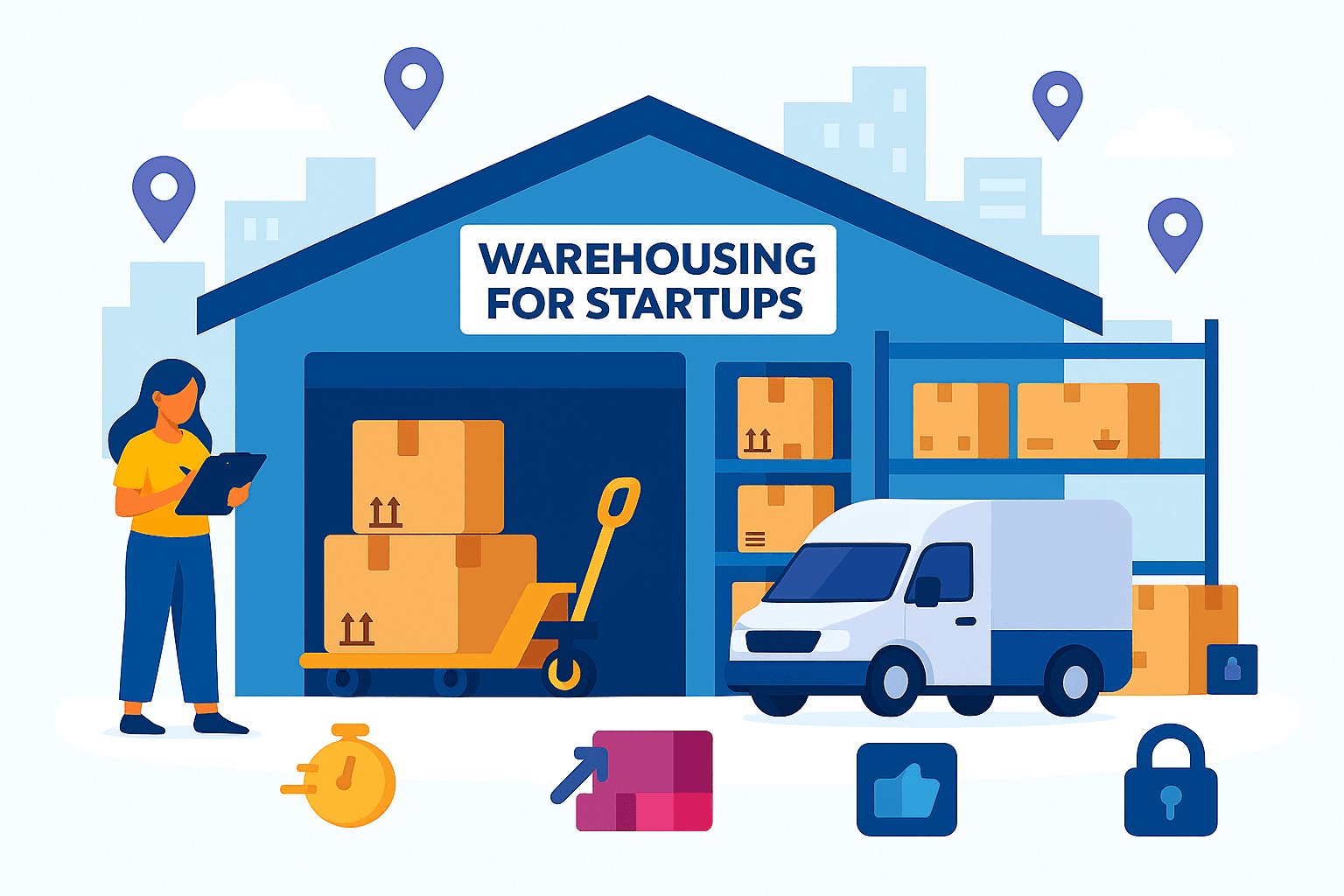
Flexible Warehousing & Distribution
Scalable warehousing options tailored to startup growth phases, shared warehousing solutions to optimize costs without sacrificing service quality, fast processing and picking to meet dynamic order volumes, and safe and secure storage for a variety of product types.
Benefits of Partnering with Cargo Matters
Agile and scalable logistics solutions that grow with your business
Cost-effective services without compromising on speed or quality
Technology-driven transparency and real-time visibility
Dedicated support for the unique challenges of startups
Ready to Transform Your Startups Logistics?
Let’s discuss how we can support your business.
Industry Overview
The Direct-to-Consumer (D2C) model has revolutionized retail by enabling brands to engage directly with their customers, bypassing traditional retail channels. In India, the D2C sector is booming across categories such as fashion, beauty, wellness, food, and consumer electronics, driven by increasing internet penetration, smartphone adoption, and changing consumer preferences. D2C brands face unique logistics challenges that require fast, reliable, and flexible supply chain solutions. Customer expectations for quick delivery, hassle-free returns, and personalized packaging are higher than ever, making logistics a critical differentiator in the highly competitive D2C landscape.

Challenges
Key challenges faced by the D2C Brands industry
How Cargo Matters Supports the D2C Brands Industry
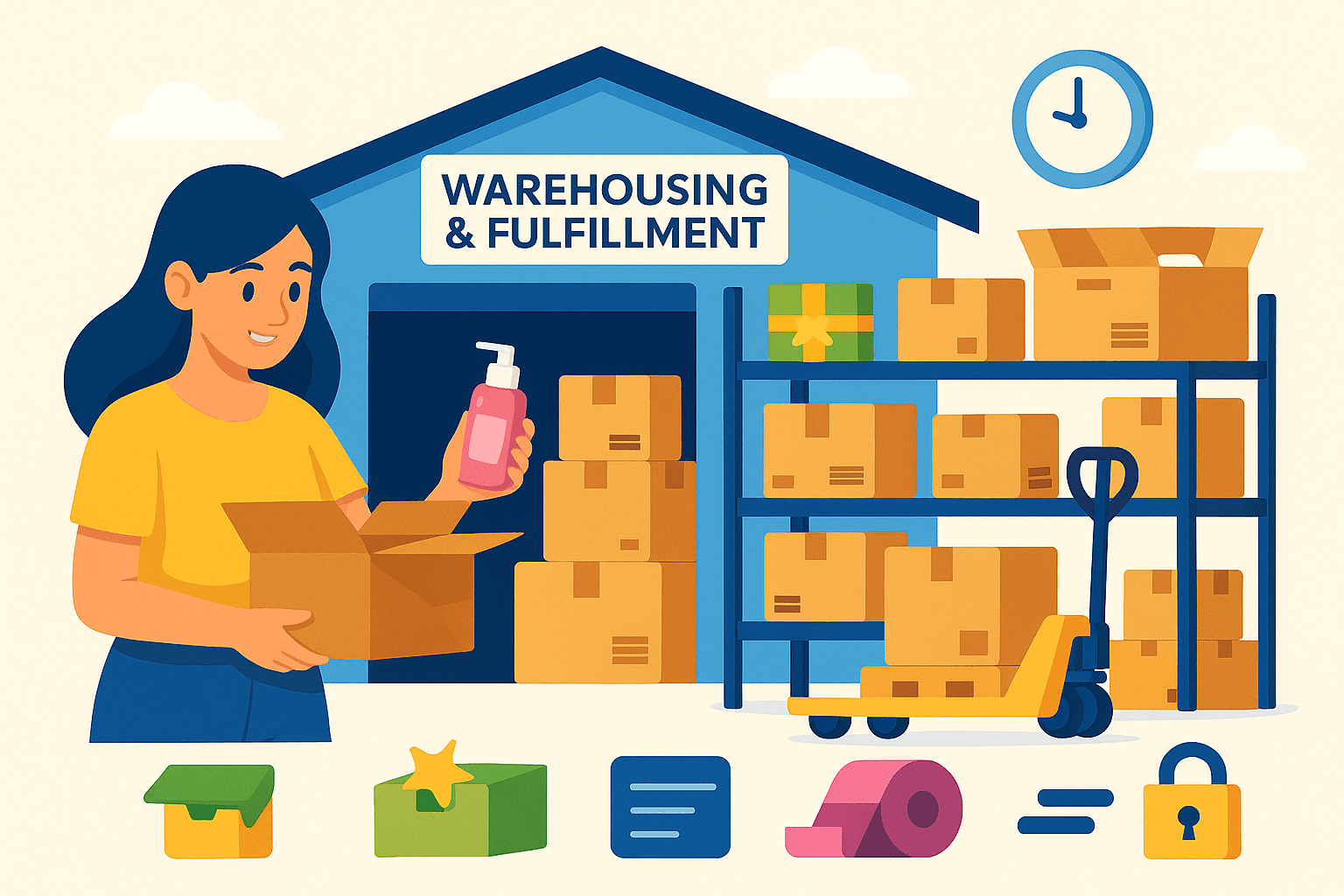
Specialized Warehousing & Fulfillment
Warehousing designed for small parcel handling with quick pick-and-pack processes, customized packaging and branding options to enhance customer unboxing experience, real-time inventory management synchronized with sales channels, and secure storage with climate control for sensitive products like cosmetics and perishables.
Benefits of Partnering with Cargo Matters
Expertise in handling high-volume, small parcel logistics with speed and care
Technology-driven transparency and real-time tracking for brands and customers
Customized fulfillment and packaging solutions to enhance brand loyalty
Scalable logistics infrastructure to support rapid growth and geographic expansion
Ready to Transform Your D2C Brands Logistics?
Let’s discuss how we can support your business.
Industry Overview
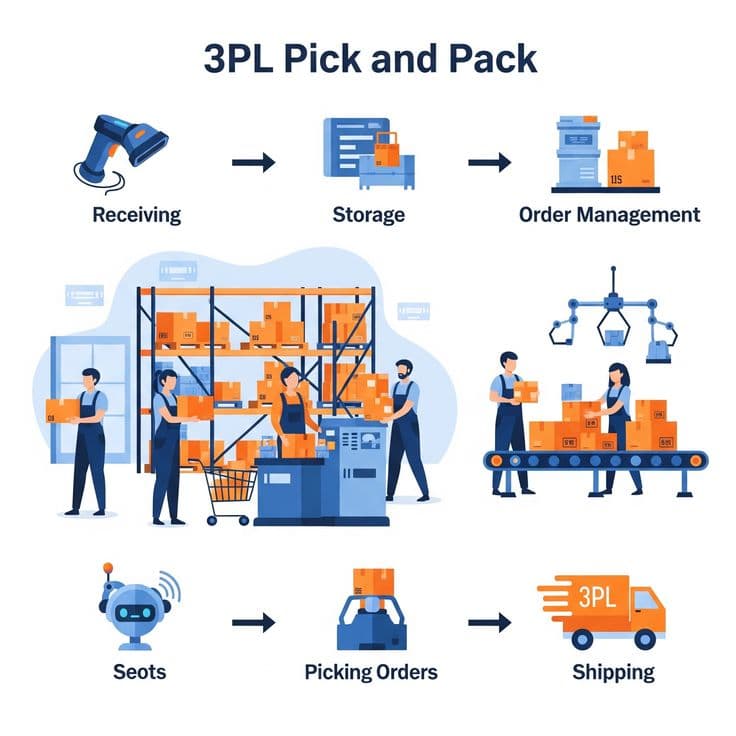
Third-Party Logistics (3PL) providers are essential partners in modern supply chains, offering outsourced logistics services that include transportation, warehousing, fulfillment, and supply chain management. The 3PL industry in India is rapidly evolving, driven by the growth of e-commerce, globalization, and the need for cost-efficient and flexible logistics solutions. 3PL companies enable businesses to focus on their core competencies while leveraging specialized logistics expertise, technology, and infrastructure. The demand for integrated, scalable, and technology-enabled 3PL services is increasing as companies seek to improve operational efficiency, reduce costs, and enhance customer satisfaction.
Challenges
Key challenges faced by the 3PL industry
How Cargo Matters Supports the 3PL Industry
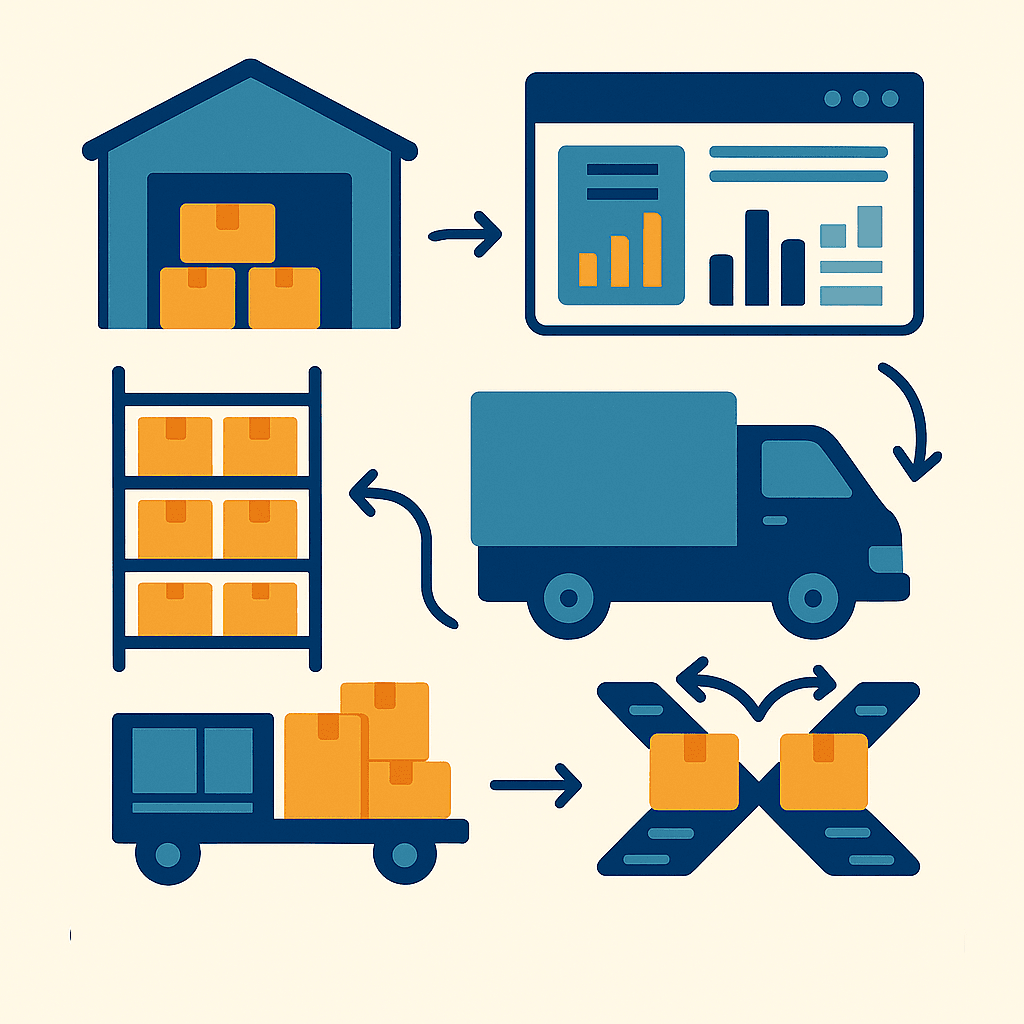
Comprehensive Warehousing & Distribution
Multi-client warehousing solutions with dedicated zones for different products, advanced inventory management systems ensuring accuracy and visibility, secure, climate-controlled, and compliant storage facilities, and efficient cross-docking and order consolidation to speed up deliveries.
Benefits of Partnering with Cargo Matters
Proven expertise in managing complex, multi-client logistics operations
Scalable infrastructure and technology platforms tailored to diverse needs
Commitment to service excellence, transparency, and reliability
Strong compliance culture aligned with regulatory requirements
Ready to Transform Your 3PL Logistics?
Let’s discuss how we can support your business.
Industry Overview
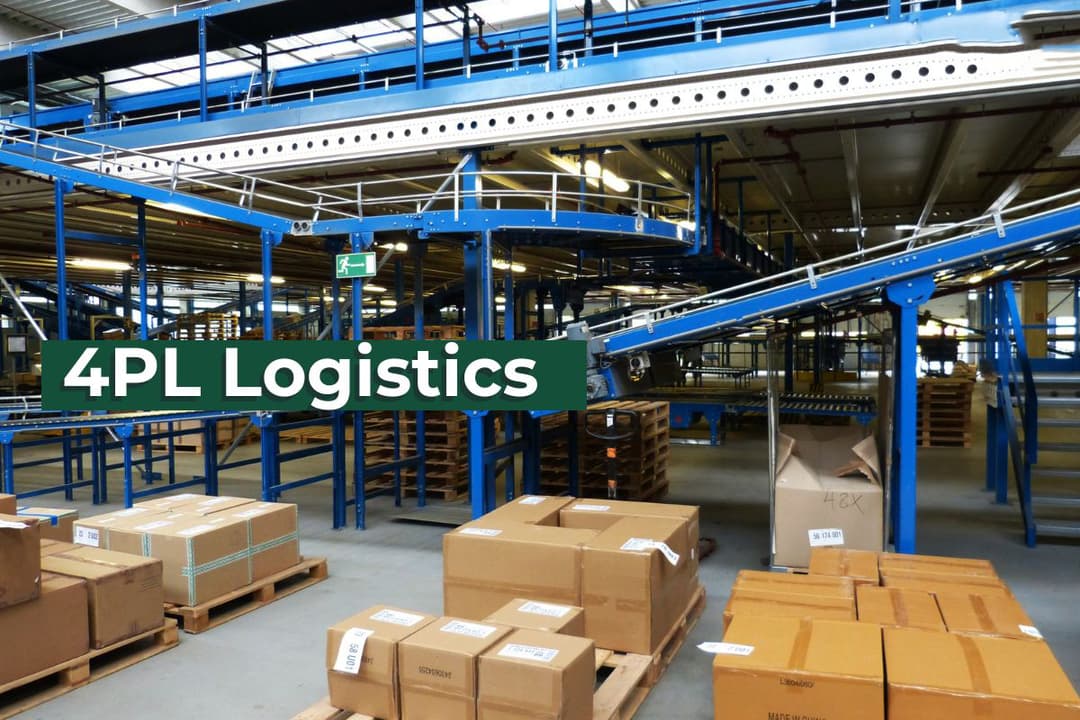
Fourth-Party Logistics (4PL) providers act as strategic partners managing the entire supply chain ecosystem for businesses. Unlike traditional 3PL providers, 4PLs oversee multiple 3PLs and coordinate all aspects of logistics, procurement, technology, and process optimization to deliver end-to-end supply chain solutions. In India's dynamic market, companies increasingly rely on 4PLs to gain competitive advantages through improved efficiency, cost reduction, and enhanced agility. 4PL providers leverage advanced technology, data analytics, and cross-functional expertise to design, implement, and manage complex supply chains, enabling businesses to focus on growth and innovation.
Challenges
Key challenges faced by the 4PL industry
How Cargo Matters Supports the 4PL Industry
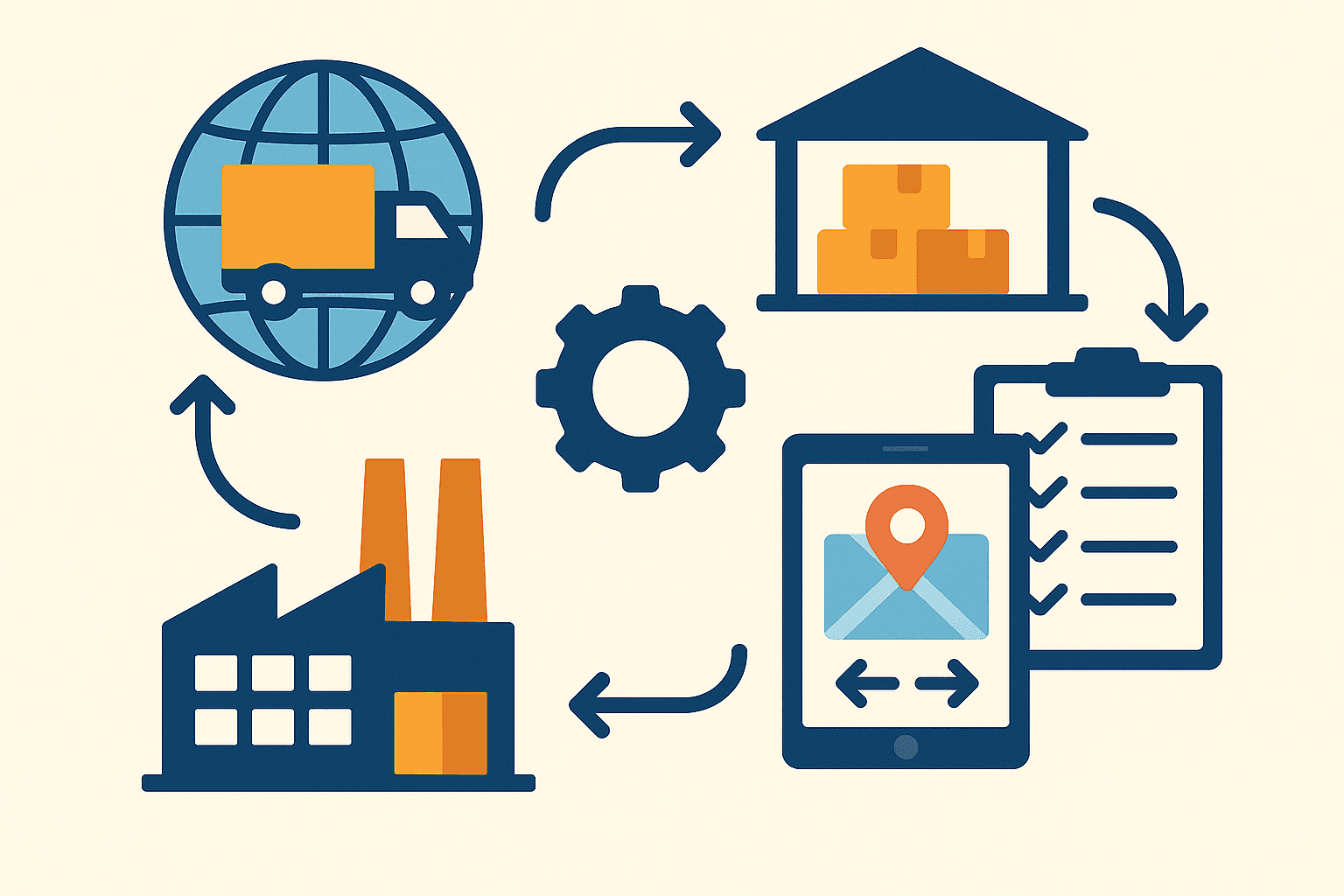
End-to-End Supply Chain Management
Comprehensive oversight of logistics operations including transportation, warehousing, and fulfillment, coordination between multiple 3PLs and service providers for synchronized execution, strategic planning and continuous optimization of supply chain processes, and alignment of logistics strategy with client business goals and market conditions.
Benefits of Partnering with Cargo Matters
Expertise in managing complex, multi-layered supply chain ecosystems
Technology-driven solutions providing real-time visibility and control
Strategic partnership approach focused on long-term value creation
Commitment to innovation, sustainability, and compliance
Ready to Transform Your 4PL Logistics?
Let’s discuss how we can support your business.
Industry Overview
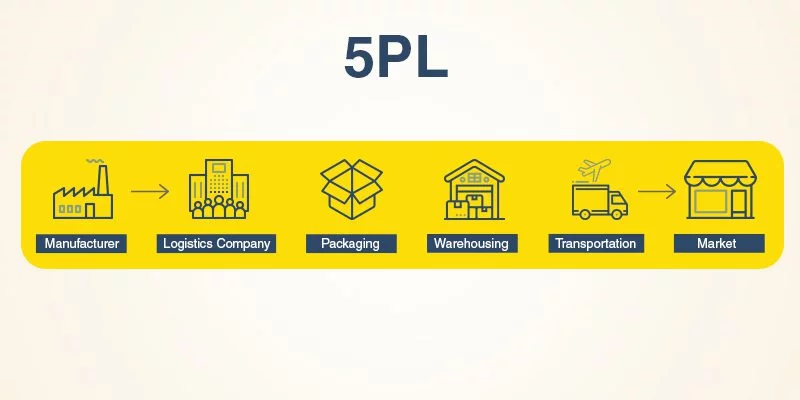
Fifth-Party Logistics (5PL) represents the next evolution in supply chain management, focusing on complete supply chain outsourcing with an emphasis on digital transformation and integrated solutions. Unlike 3PL or 4PL, 5PL providers manage networks of supply chains for multiple clients, leveraging advanced technologies such as artificial intelligence (AI), blockchain, Internet of Things (IoT), and big data analytics to optimize global logistics operations. In India, the 5PL market is emerging as businesses seek to gain competitive advantages through enhanced supply chain agility, cost-efficiency, and sustainability. 5PL providers act as orchestrators of complex logistics ecosystems, coordinating multiple layers of suppliers, manufacturers, carriers, and technology platforms to deliver seamless end-to-end solutions.
Challenges
Key challenges faced by the 5PL industry
How Cargo Matters Supports the 5PL Industry

Comprehensive Supply Chain Orchestration
End-to-end management of multi-client, multi-tier supply chains across sectors, integration of digital platforms for seamless coordination between suppliers, logistics providers, and customers, centralized control tower for real-time monitoring, issue resolution, and continuous improvement, and strategic alignment with clients' business objectives and market trends.
Benefits of Partnering with Cargo Matters
Pioneers in leveraging cutting-edge technology for supply chain innovation
Expertise in managing complex, multi-layered global logistics networks
Focused on delivering value through integration, transparency, and agility
Commitment to sustainability, compliance, and long-term client success
Ready to Transform Your 5PL Logistics?
Let’s discuss how we can support your business.
Do not See Your Industry?
We serve many more industries with customized logistics solutions. Contact us to discuss your specific requirements.
Contact Our Team